
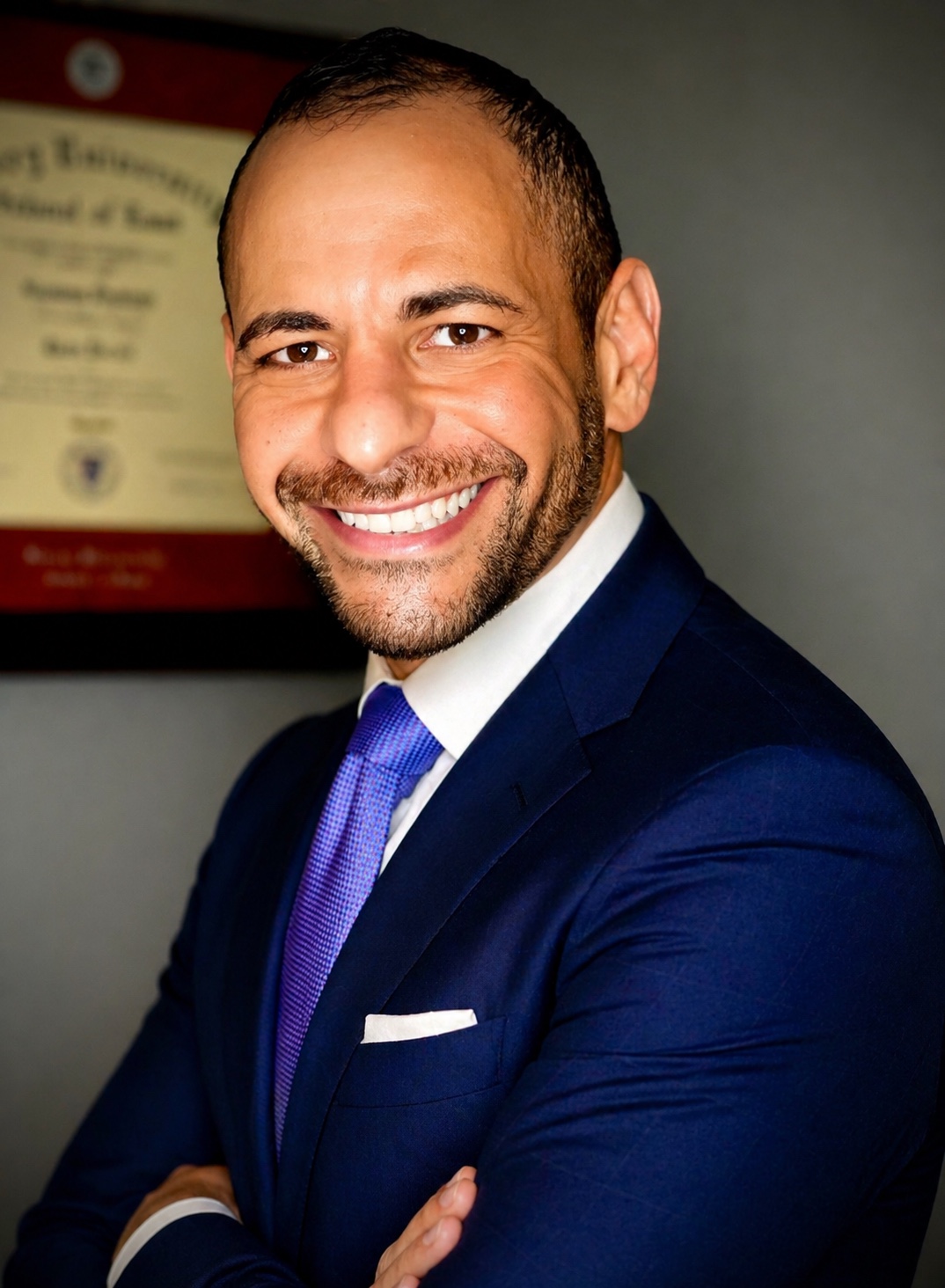
 By Abraham Elmazahi, Esq.
A Friendly Invitation Can Still Be an Investigative Step
Detectives often use ordinary language: “I just need to ask a few questions,” “I want to hear your side,” or “I’m trying to close this out.” None of those phrases tells you whether you are a witness, a person of interest, or the intended defendant. Police are permitted to investigate before announcing their theory, and they do not have to disclose all of the evidence they possess before asking questions.
The central defense question is not whether the detective sounds fair. It is what evidentiary purpose the interview serves. A statement can establish identity, knowledge, intent, possession, opportunity, relationship history, location, ownership, or access. It can also be compared later against video, digital records, or another witness.
Miranda Does Not Protect Every Police Conversation
Miranda warnings are required before custodial interrogation. A voluntary telephone call, doorstep conversation, or agreed interview may occur outside custody. If so, the absence of warnings does not automatically make the resulting statement inadmissible. That is why waiting for police to “read rights” before becoming cautious is a poor strategy.
Custody is a legal question that depends on the circumstances, not merely whether an officer says the conversation is voluntary. But many pre-arrest interviews are designed to obtain statements before formal custody exists. The safest assumption is that anything said to law enforcement may be documented, recorded, summarized, and used in the investigation.
The Detective May Already Have the Evidence You Are Trying to Explain
Police interviews are rarely conducted in a vacuum. A detective may already have a 911 call, body-camera footage, surveillance video, phone records, photographs, a search return, social-media material, a witness statement, license-plate-reader data, or information from another suspect. The interview may be intended to test a theory rather than discover the basic facts.
That creates an asymmetry: the detective can ask questions with the benefit of the investigative file while the person answering may know almost nothing about what has been collected. An explanation that seems sensible in isolation may create a contradiction once it is compared to records the person has not seen.
Silence Is Not the Same as Obstruction
A person generally does not have to volunteer an interview merely because a detective asks for one. There are separate legal obligations involving subpoenas, court orders, identification during lawful detention, and particular regulated contexts, but a request for a voluntary suspect interview is not the same thing as a command to give a statement.
Declining to discuss facts should be done carefully and lawfully. Do not lie, destroy evidence, threaten a witness, coach another person, or interfere with an investigation. The defense objective is to stop uncontrolled evidence creation while preserving lawful options.
Counsel Can Find Out What the Contact Actually Means
An attorney can contact the detective or agency, identify the investigation if police will disclose it, determine whether an arrest warrant exists, ask whether the person is being treated as a witness or suspect, and establish that further substantive contact should go through counsel. Police are not required to reveal their entire file, but even limited information can clarify the posture.
Counsel can also evaluate whether there is a strategic reason to provide documents, identify an exculpatory witness, make a narrowly controlled proffer, or simply preserve the client’s silence while the investigation develops. The point is not that a statement is never appropriate. It is that the decision should be made with a defined purpose.
Do Not “Prepare” by Rehearsing With Other Witnesses
Once police contact begins, people often call friends, relatives, coworkers, or the complaining witness to compare memories. That can create new evidence and new problems. Messages about what everyone should say may be characterized as consciousness of guilt or witness influence even when the participants believed they were merely trying to understand what happened.
Preserve communications instead. Identify potential witnesses for counsel. If there is a no-contact order, injunction, employment directive, or other restriction, comply with it. The defense should gather the record without contaminating it.
The Best Pre-Arrest Outcome May Be a Controlled Non-Event
Not every investigation produces charges. Sometimes the most effective defense work is invisible: preventing an unnecessary interview, preserving evidence before it disappears, correcting a demonstrable factual error through counsel, planning for a warrant, or avoiding conduct that gives the State a new theory.
When charges do follow, that early control still matters. The defense begins with fewer unnecessary statements, a cleaner evidentiary record, and a clearer understanding of what law enforcement was trying to establish.
A Request for Documents Can Be as Important as a Request for an Interview
Detectives may ask for a phone, screenshots, account credentials, photographs, records, or permission to search. Voluntary production can expand the investigation just as a verbal statement can. Before providing material, counsel should determine what is being requested, whether legal process already exists, whether the request can be narrowed, and whether the material contains unrelated private information.
Preservation and production are different acts. A person can preserve evidence without immediately turning it over voluntarily. If a subpoena or warrant is served, different legal obligations and challenge procedures apply.
Pre-Arrest Contact Can Foreshadow a Warrant or Charging Decision
A detective’s call may occur because investigators believe the file is nearly complete and want a final statement before seeking a warrant or submitting charges. It may also reflect genuine uncertainty. The person receiving the call usually cannot tell which situation applies from tone alone.
Counsel can prepare for both possibilities: verify whether a warrant has issued, gather bond and surrender information, preserve defense evidence, and avoid a last-minute interview that gives police the missing piece they were seeking.
Related Analysis
Continue with the firm guidance most closely connected to this issue:
The appropriate route depends on the allegation, court posture, and evidence actually present in the case.
Request Consultation
If this issue is part of a Florida criminal investigation or pending case, The Elmazahi Firm, P.A. can review the procedural posture, available evidence, immediate restrictions, and the next defense decision.
Prospective clients may use the firm’s secure Request Consultation form. Existing clients should use The Elmazahi Client Center for secure case communication.
Disclaimer
This article is provided for general informational purposes only. It is not legal advice and does not create an attorney-client relationship. Florida criminal cases are fact-specific, and statutes, court rules, local procedures, and controlling decisions can change how a particular issue must be analyzed.
No Attorney-Client Relationship
Reading this article or submitting information through the website does not create an attorney-client relationship. An attorney-client relationship is formed only through a written agreement with The Elmazahi Firm, P.A.