
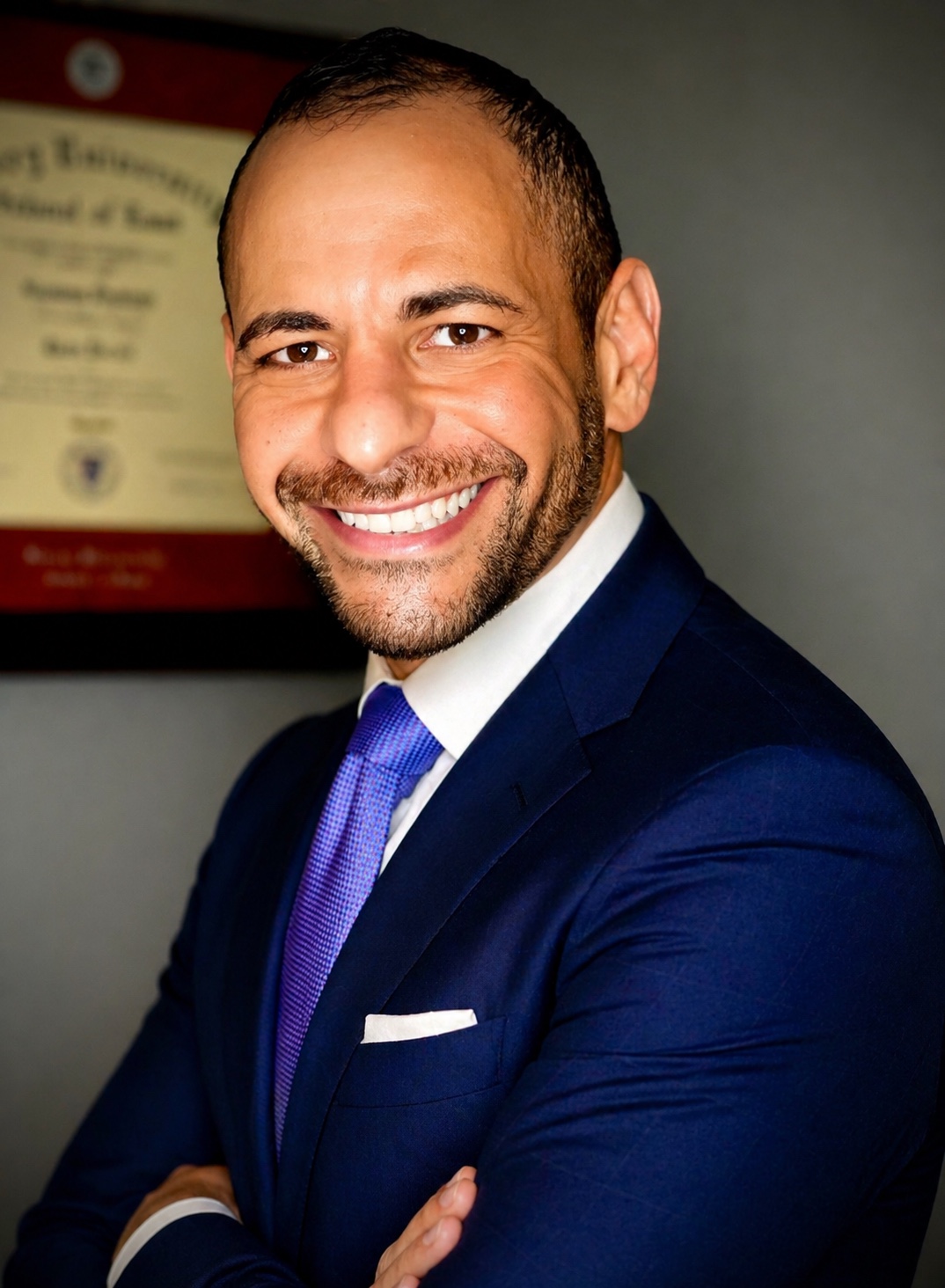
 By Abraham Elmazahi, Esq.
Pre-Arrest Does Not Mean Pre-Case
By the time a detective calls, law enforcement may already have witness statements, video, digital records, physical evidence, subpoenas, search-warrant returns, or an identified charging theory. The absence of an arrest simply means the criminal process has not reached that event yet.
The defense should determine what stage is actually underway: initial complaint, active investigation, prosecutor review, warrant application, grand-jury process in a qualifying case, or an already-issued warrant not yet served. The strategy changes with the posture.
Control Police Contact Before It Becomes a Statement Case
A voluntary interview can produce admissions or contradictions without Miranda warnings if the person is not in custody. Counsel can communicate with investigators, identify what is being requested, and decide whether there is a reason to provide information without exposing the client to an uncontrolled interview.
The objective is not categorical silence for its own sake. It is to understand the evidentiary purpose of the contact and make any disclosure deliberately.
Preserve Defense Evidence Before the Government Finishes Its File
Private video, phone data, location history, photographs, receipts, medical records, work records, access logs, vehicle data, and witness memories can disappear while police are still investigating. Early counsel can identify preservation targets and obtain records through lawful means before they are overwritten.
Preservation should be clean. Do not delete, edit, stage, or coach. If a witness has useful information, identify the person for counsel rather than coordinating a narrative.
A Demonstrable Error Can Sometimes Be Addressed Before Filing
In appropriate cases, counsel may be able to provide objective information that materially changes the charging picture: an alibi record, ownership document, complete video, identity correction, medical record, or other evidence that can be verified. This is not a general invitation to send the prosecutor a defense memo before discovery exists.
Pre-filing advocacy works best when narrow, credible, and supported by evidence the State can independently evaluate. It is weakest when it consists of a broad client narrative with avoidable admissions.
Search Warrants and Digital Demands May Be Part of the Investigation
Pre-arrest investigations can include warrants for homes, devices, accounts, vehicles, biological samples, or records. If a search occurs, obtain the warrant and inventory when available, preserve information about execution, and avoid interfering with officers. The validity and scope of the search can be evaluated later.
Digital investigations can also involve provider records, social-media returns, cloud data, and location evidence obtained through legal process. The defense should assume that investigators may know more than they disclose during an interview request.
If a Warrant Is Likely, Surrender Planning Can Reduce Chaos
Florida § 901.02 authorizes judges to issue arrest warrants upon the required probable-cause showing. When counsel learns that a warrant exists or is imminent, a controlled surrender may be possible depending on the case and agency. Planning can address timing, medication, childcare, transportation, property, bond information, and first appearance.
No attorney can guarantee that law enforcement will delay execution or that a particular bond will be set. The value is preparation, not immunity from arrest.
The Pre-Arrest Window Should Be Used to Improve the Record, Not Manufacture One
The best pre-charge work often looks uneventful: no unnecessary interview, no witness pressure, no deleted messages, preserved video, verified warrant status, a prepared surrender, and a factual record ready for counsel. That discipline can prevent the investigation from gaining evidence created by panic.
If charges are filed, the defense then begins from a cleaner position. If charges are not filed, the restraint may have prevented an avoidable prosecution from becoming harder to defend.
Grand-Jury and Prosecutor-Intake Postures Require Different Expectations
Most Florida prosecutions begin by information after prosecutor review, while certain serious offenses may proceed through grand-jury indictment. A target should not assume there will be an informal opportunity to present a defense before filing. The availability and usefulness of pre-charge advocacy depend on the mechanism actually being used.
Counsel should determine who controls the next charging decision and whether any communication can realistically reach that decision-maker without exposing the client to avoidable admissions.
Travel and Daily-Life Decisions Can Change Once a Warrant Is Possible
If counsel has reason to believe a warrant may issue, travel, work obligations, childcare, medication, and vehicle arrangements should be planned with the possibility of sudden custody in mind. That does not mean hiding or avoiding law enforcement. It means reducing predictable disruption while preserving lawful surrender options.
The correct plan depends on how certain the warrant is, the county, the charge, and whether law enforcement has agreed to any coordination.
A Pre-Arrest Investigation Can Be the Best Time to Preserve Exculpatory Evidence
Before an arrest, the defense may still have access to evidence that will become harder to obtain later: private surveillance, business records, location data, receipts, photographs, electronic communications, vehicle data, medical records, or witnesses who have not yet been repeatedly interviewed. Preservation should be targeted to the allegation and performed without altering evidence or influencing witnesses.
Counsel can also decide whether there is a legitimate reason to provide a discrete item to law enforcement or the prosecutor before a charging decision. That decision should be selective. Turning over a complete defense file or submitting a broad narrative can reveal strategy; preserving evidence and deciding whether to disclose it are separate steps.
Related Analysis
Continue with the firm guidance most closely connected to this issue:
The appropriate route depends on the allegation, court posture, and evidence actually present in the case.
Request Consultation
If this issue is part of a Florida criminal investigation or pending case, The Elmazahi Firm, P.A. can review the procedural posture, available evidence, immediate restrictions, and the next defense decision.
Prospective clients may use the firm’s secure Request Consultation form. Existing clients should use The Elmazahi Client Center for secure case communication.
Disclaimer
This article is provided for general informational purposes only. It is not legal advice and does not create an attorney-client relationship. Florida criminal cases are fact-specific, and statutes, court rules, local procedures, and controlling decisions can change how a particular issue must be analyzed.
No Attorney-Client Relationship
Reading this article or submitting information through the website does not create an attorney-client relationship. An attorney-client relationship is formed only through a written agreement with The Elmazahi Firm, P.A.