
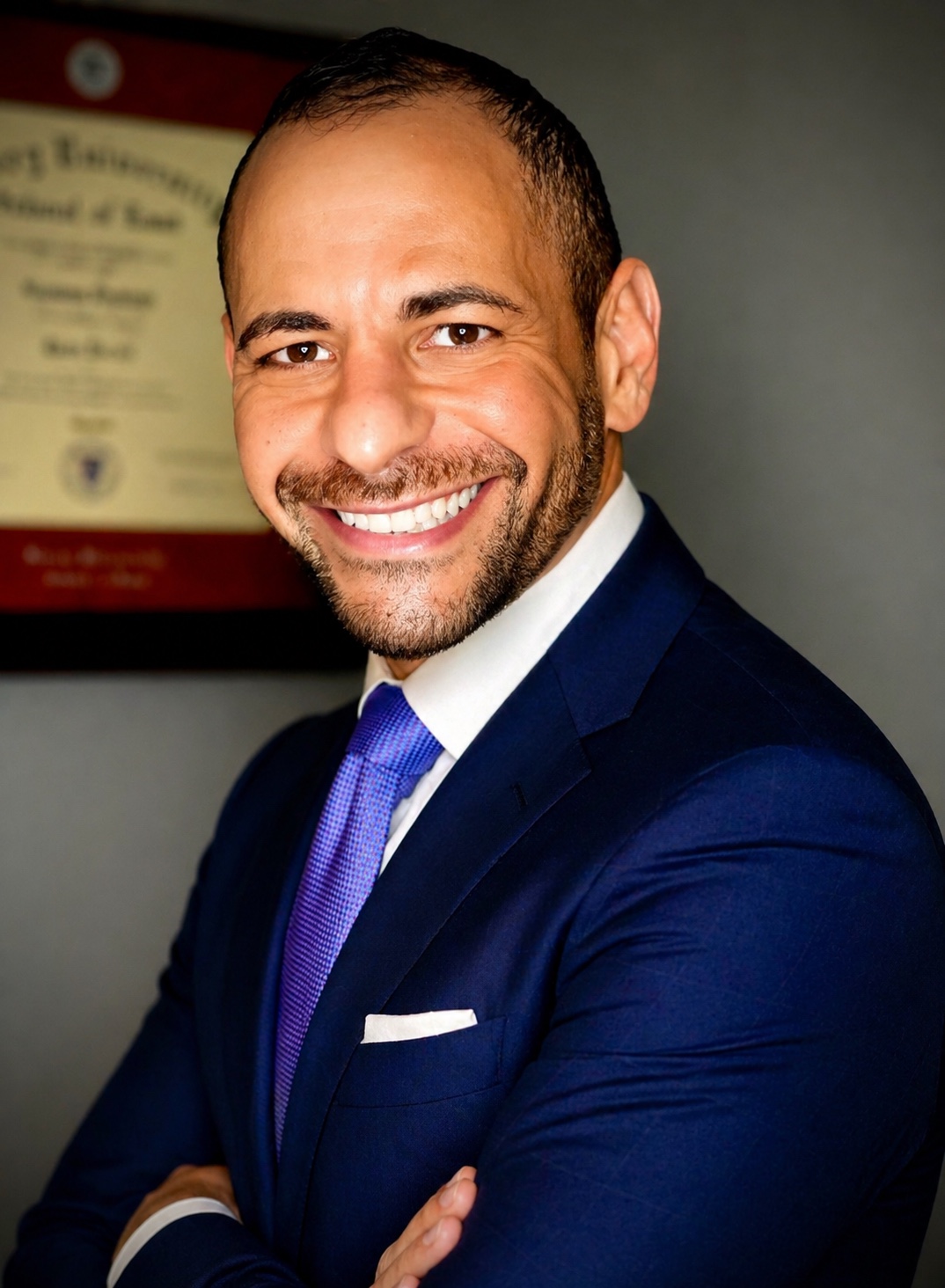
 By Abraham Elmazahi, Esq.
There Is No Single Answer to “Should I Cooperate?”
People often frame the decision as cooperation versus obstruction. That is too crude. A person can lawfully preserve evidence, comply with court orders, provide identifying information when legally required, and allow counsel to communicate with investigators without volunteering a substantive interview. The constitutional privilege against self-incrimination exists precisely because compelled or strategically damaging statements can alter a criminal case.
The right question is whether speaking serves a defined purpose after the investigative posture is understood. Sometimes a controlled statement or document production can matter. Sometimes silence is the only rational choice. The decision should not be made because an officer says that innocent people have nothing to hide.
Miranda Is About Custodial Interrogation
Miranda warnings protect against custodial interrogation. They are not required every time police ask a question. A person can make highly damaging statements during a consensual conversation, phone call, roadside encounter, workplace visit, or voluntary station interview without ever hearing the familiar warning.
Conversely, a warning does not make an interrogation harmless. Waiving Miranda generally allows the questioning to continue, and statements can be used if the waiver and interrogation are lawful. A person should not treat the warning as a ceremonial step that makes it safe to explain.
Police May Use Strategic Interview Techniques
Investigators are permitted to confront a person with evidence, highlight inconsistencies, ask the same issue in different ways, present alternative explanations, minimize the perceived seriousness of conduct, and in many circumstances use deception. An interview can become a controlled method of obtaining admissions while still feeling conversational.
The person being questioned rarely has equal information. The detective may know what another witness said, what a camera captured, what a phone extraction shows, or what was recovered in a search. The interview subject usually does not.
Partial Truths and Innocent Mistakes Can Become Problems
A statement does not have to be a confession to damage the defense. A wrong estimate of time, an incomplete memory, an attempt to protect another person, a guess about ownership, or a confident denial later contradicted by digital evidence can become a prosecution theme. Investigators may interpret changing details as consciousness of guilt even when memory is imperfect.
That is why “just tell the truth” is incomplete advice in a criminal investigation. Truthfulness matters, but so do accuracy, context, legal exposure, and the decision whether to answer at all. Never lie to investigators; instead, obtain advice before deciding whether to engage.
Invoking Rights Should Be Clear
If a person is in custodial interrogation and wants questioning to stop, ambiguity can create litigation over whether rights were actually invoked. A clear request for an attorney and a clear statement that the person does not wish to answer questions are easier to evaluate than hints or rhetorical questions.
The exact law governing invocation can depend on custody, timing, waiver, and whether questioning later resumes. The practical point is that a person should not continue answering substantive questions while simultaneously hoping police understand that counsel is wanted.
Counsel Can Cooperate Without Surrendering Control
Lawyers routinely communicate with investigators. Counsel can determine what police are seeking, preserve evidence, provide contact information, arrange a surrender, transmit selected documents, identify a demonstrably exculpatory issue, or decline an interview. Cooperation can therefore be structured rather than spontaneous.
This is especially useful before arrest, when the investigation may still be developing and the defense has an opportunity to prevent unnecessary statements while preparing for the possibility of charges or a warrant.
Protect the Record While the Decision Is Being Made
Do not delete messages, destroy devices, coordinate witness stories, create false records, or contact a complaining witness in violation of an order. Preserve the material that exists and identify evidence that may disappear. A decision not to give an interview does not authorize interference with the investigation.
The strongest position is often disciplined: preserve, do not speculate, route substantive police contact through counsel, and make any later disclosure for a reason that can be articulated in advance.
The Right to Counsel Has Different Constitutional Sources
The Fifth Amendment/Miranda right to counsel during custodial interrogation is not identical to the Sixth Amendment right that attaches after formal adversarial proceedings begin. The distinction can affect when police may initiate questioning and what waiver rules apply. A person does not need to master that doctrine while sitting in an interview room.
The practical protection is to make the request for counsel clear and stop substantive discussion until legal advice is available. Counsel can then evaluate which rights have attached and whether any prior statement is contestable.
Polygraphs and “Clearing Your Name” Require the Same Strategic Discipline
Investigators sometimes propose a polygraph or similar credibility exercise as a way to move the investigation forward. The legal admissibility of the result is only part of the risk. The pretest and post-test interview can generate statements, and the investigator’s characterization of the outcome may shape later questioning.
No one should agree to such a process simply because refusing feels suspicious. The decision should be evaluated with counsel in light of the investigative objective and the evidence already known.
Related Analysis
Continue with the firm guidance most closely connected to this issue:
The appropriate route depends on the allegation, court posture, and evidence actually present in the case.
Request Consultation
If this issue is part of a Florida criminal investigation or pending case, The Elmazahi Firm, P.A. can review the procedural posture, available evidence, immediate restrictions, and the next defense decision.
Prospective clients may use the firm’s secure Request Consultation form. Existing clients should use The Elmazahi Client Center for secure case communication.
Disclaimer
This article is provided for general informational purposes only. It is not legal advice and does not create an attorney-client relationship. Florida criminal cases are fact-specific, and statutes, court rules, local procedures, and controlling decisions can change how a particular issue must be analyzed.
No Attorney-Client Relationship
Reading this article or submitting information through the website does not create an attorney-client relationship. An attorney-client relationship is formed only through a written agreement with The Elmazahi Firm, P.A.