
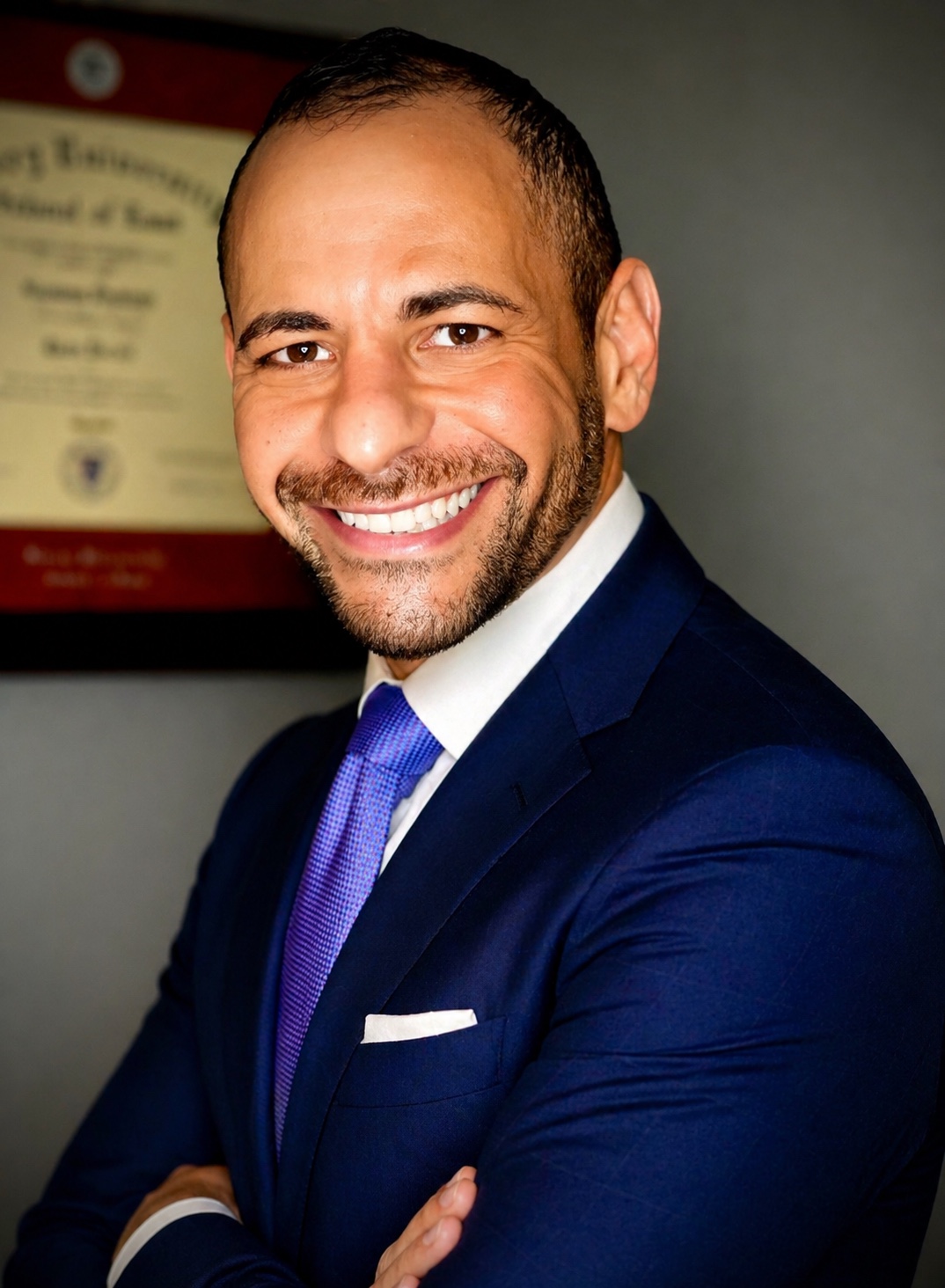
 By Abraham Elmazahi, Esq.
“Voluntary” Can Describe Several Different Legal Concepts
A police encounter may be consensual for Fourth Amendment purposes, a statement may be voluntary under due-process principles, and a person may or may not be in custody for Miranda purposes. Those are different questions. An officer’s statement that someone is “free to leave” is relevant, but it does not resolve every issue surrounding questioning.
The defense should identify when the encounter began, what police communicated, whether movement was restricted, how many officers were present, whether weapons or commands were used, where questioning occurred, and whether the person actually attempted to leave or end the conversation.
Consensual Encounters Can Produce Admissible Evidence
Police do not need reasonable suspicion merely to approach a person and ask questions in circumstances that remain genuinely consensual. A person’s answers, observations made by officers, and voluntary consent to search can then create the basis for further investigation.
That is why constitutional literacy matters before the detention line is crossed. A person can lawfully decline to answer voluntary investigative questions in many circumstances without waiting for police to announce that detention has begun.
A Detention Requires Legal Justification
Once police restrain liberty through a show of authority or physical force in a manner recognized as a seizure, the Fourth Amendment requires lawful justification. Florida’s Stop and Frisk Law, § 901.151, operates within constitutional limits governing temporary detention and investigation.
The defense should identify the specific facts police knew at the moment of detention. Evidence discovered later cannot be used to retroactively justify the initial seizure.
Miranda Custody Is Not Identical to Fourth Amendment Seizure
A person can be seized for Fourth Amendment purposes without necessarily being in Miranda custody, and vice versa depending on context. Miranda focuses on custodial interrogation: whether the person was in custody and subjected to questioning or its functional equivalent likely to elicit an incriminating response.
That distinction matters in traffic stops, station interviews, home encounters, and pre-arrest questioning. The absence of warnings may be lawful while the answers remain strategically damaging.
Consent Searches Add a Separate Layer
During an encounter, officers may request consent to search a person, bag, phone, vehicle, or residence. Valid consent can authorize a search without a warrant or independent probable cause within the scope granted. The defense should examine who consented, authority, voluntariness, scope, and any later limitation or withdrawal.
Body-camera audio is often the best evidence of the actual exchange. A report’s shorthand statement that “consent was given” may omit qualifiers or the surrounding pressure.
Ending a Voluntary Interview Can Be a Defense Decision
A person who is genuinely free to leave does not have to remain merely because the detective has more questions. If the interview has become risky, ending it and obtaining counsel may be more important than trying to correct every perceived misunderstanding in real time.
If the person is in custody, the rules governing invocation of silence and counsel become more specific. Clear communication is preferable to ambiguous hints that leave room for continued questioning.
Analyze the Encounter as a Timeline
The most useful review identifies transition points: consensual approach, detention, frisk, search request, custody, Miranda warnings, invocation, waiver, arrest, and any later questioning. Each stage has its own legal questions.
Video, audio, dispatch, location data, and officer reports should be synchronized where possible. A lawful beginning does not guarantee that later detention or questioning remained lawful, and a flawed beginning can affect evidence obtained downstream.
A Traffic Stop Is a Useful Example of Overlapping Doctrines
A driver is seized for Fourth Amendment purposes during an ordinary traffic stop, yet the roadside questioning may not automatically amount to Miranda custody. Officers can ask certain questions and observe demeanor while the stop remains lawful. If the encounter becomes sufficiently coercive or prolonged, the analysis can change.
This is why the defense should not use “I wasn’t free to leave” as the sole test for every statement issue. The relevant constitutional doctrine must be identified precisely.
Body Camera Can Resolve Tone and Timing Disputes
Whether a request sounded optional, when an officer blocked movement, how long questioning lasted, whether consent was qualified, and when handcuffs were applied can be difficult to reconstruct from reports alone. Body-camera footage can supply the sequence and the actual language used.
Preservation and discovery of recordings should therefore occur early, especially when an encounter changes character over time.
Consent to Search Is a Separate Decision From Agreeing to Talk
An encounter can move from conversation to a request to search a person, vehicle, bag, phone, or residence. Agreeing to answer a question does not automatically authorize a search, and consent to search can itself become a disputed legal issue involving voluntariness and scope. Officers may also rely on some independent legal authority, which should be identified rather than assumed.
The defense should reconstruct the exact request and response: who asked, what object or area was identified, whether limitations were stated, whether consent was withdrawn, whether officers exceeded the stated scope, and what happened before the request. Body-camera footage can be especially important because reports often compress a multi-step exchange into the conclusion that consent was obtained.
Related Analysis
Continue with the firm guidance most closely connected to this issue:
The appropriate route depends on the allegation, court posture, and evidence actually present in the case.
Request Consultation
If this issue is part of a Florida criminal investigation or pending case, The Elmazahi Firm, P.A. can review the procedural posture, available evidence, immediate restrictions, and the next defense decision.
Prospective clients may use the firm’s secure Request Consultation form. Existing clients should use The Elmazahi Client Center for secure case communication.
Disclaimer
This article is provided for general informational purposes only. It is not legal advice and does not create an attorney-client relationship. Florida criminal cases are fact-specific, and statutes, court rules, local procedures, and controlling decisions can change how a particular issue must be analyzed.
No Attorney-Client Relationship
Reading this article or submitting information through the website does not create an attorney-client relationship. An attorney-client relationship is formed only through a written agreement with The Elmazahi Firm, P.A.